Curriculum
Education is at the core of our residency program.
Rotations
- Newborn Nursery (4 weeks)
- Pediatric Hospitalist Inpatient (4 week block, 3 blocks total intern year)
- Inpatient Night Float (4 weeks)
- General Pediatrics Outpatient (4 weeks)
- Developmental-Behavioral Pediatrics (4 weeks)
- Urgent Care (4 weeks)
- Pediatric Cardiology (4 weeks, vacation eligible block)
- Pediatric Infectious Disease or Pediatric Endocrinology (4 weeks)
- Child Abuse (2 weeks)
- Genetics (2 weeks)
- Electives x2 (4 weeks each, vacation eligible blocks)
- Pediatric Hospitalist Inpatient (4 weeks, supervisor role)
- Inpatient Night Float (4 weeks)
- NICU (4 weeks)
- PICU (4 weeks)
- Pediatric Emergency Medicine (4 weeks, Sanford USD Medical Center in Sioux Falls, SD)
- Adolescent Medicine (2 weeks at University of Minnesota in Minneapolis, MN and 2 weeks self-study)
- Pediatric Infectious Disease or Pediatric Endocrinology (whichever rotation not done in PGY-1, 4 weeks)
- Pediatric Hematology-Oncology (4 weeks)
- Electives x5 (4 weeks each, vacation eligible blocks)
- Pediatric Hospitalist Inpatient x2 (4 weeks each, supervisor role)
- Inpatient Night Float (4 weeks, supervisor role)
- NICU (4 weeks, supervisor role)
- PICU (4 weeks)
- Pediatric Emergency Medicine (4 weeks, Sanford Medical Center in Fargo, ND)
- General Pediatrics Outpatient (4 weeks)
- Mental Health (4 weeks)
- Electives x5 (4 weeks each, vacation eligible blocks)
- Child Abuse
- Genetics
- Newborn Parenting
- Peds Allergy
- Peds Cardiology
- Peds Rheumatology
- Peds Endocrinology
- Peds Gastroenterology
- Peds Hematology/Oncology
- Peds Infectious Disease
- Peds Nephrology
- Peds Ortho Surgery/Sports Medicine
- Peds Palliative Care
- Peds Pulmonology
- Peds Surgery
- Peds Urgent Care
- Research
Our residents also have the option of designing away electives giving them opportunities to explore subspecialties of interest in a different clinical environment. While the program offers administrative support for these rotations, travel and housing costs are the resident’s responsibility.
Continuity Clinic
Continuity clinic is a cornerstone of the UND Pediatric Residency experience. Our resident continuity clinic is located at Sanford’s Amber Valley campus, which provides a collaborative environment with residents from all training levels working together in a team-based clinic model. Residents follow their own panel of patients throughout training, building meaningful relationships with children and families while developing long-term outpatient management skills. Each resident maintains the same continuity clinic preceptor throughout all three years of training fostering a strong mentoring relationship.
Academic Half Day
Residents have protected education time one afternoon each week and participate in a variety of educational activities including:
- Didactics: The curriculum covers the full spectrum of pediatrics with didactic lectures taught by faculty members who actively practice clinical medicine as general pediatricians and pediatric subspecialists. This material is designed to give our residents a solid foundation of pediatric knowledge for clinical practice along with preparing them for taking the pediatric boards.
- Journal Club: Sessions include curriculum that teaches residents how to critically appraise the literature and gives them opportunities to present articles to their peers that impact their clinical practice.
- Grand Rounds: Held in conjunction with the Department of Pediatrics at UND. Residents present once during their third year of training.
- Morbidity and Mortality Conference: Residents present a case under faculty mentorship that highlights areas for improvement at the individual, team, and system levels. Residents present once during their third year of training.
- Board Review: Jeopardy-style questions emphasizing key content for the Pediatric Boards.
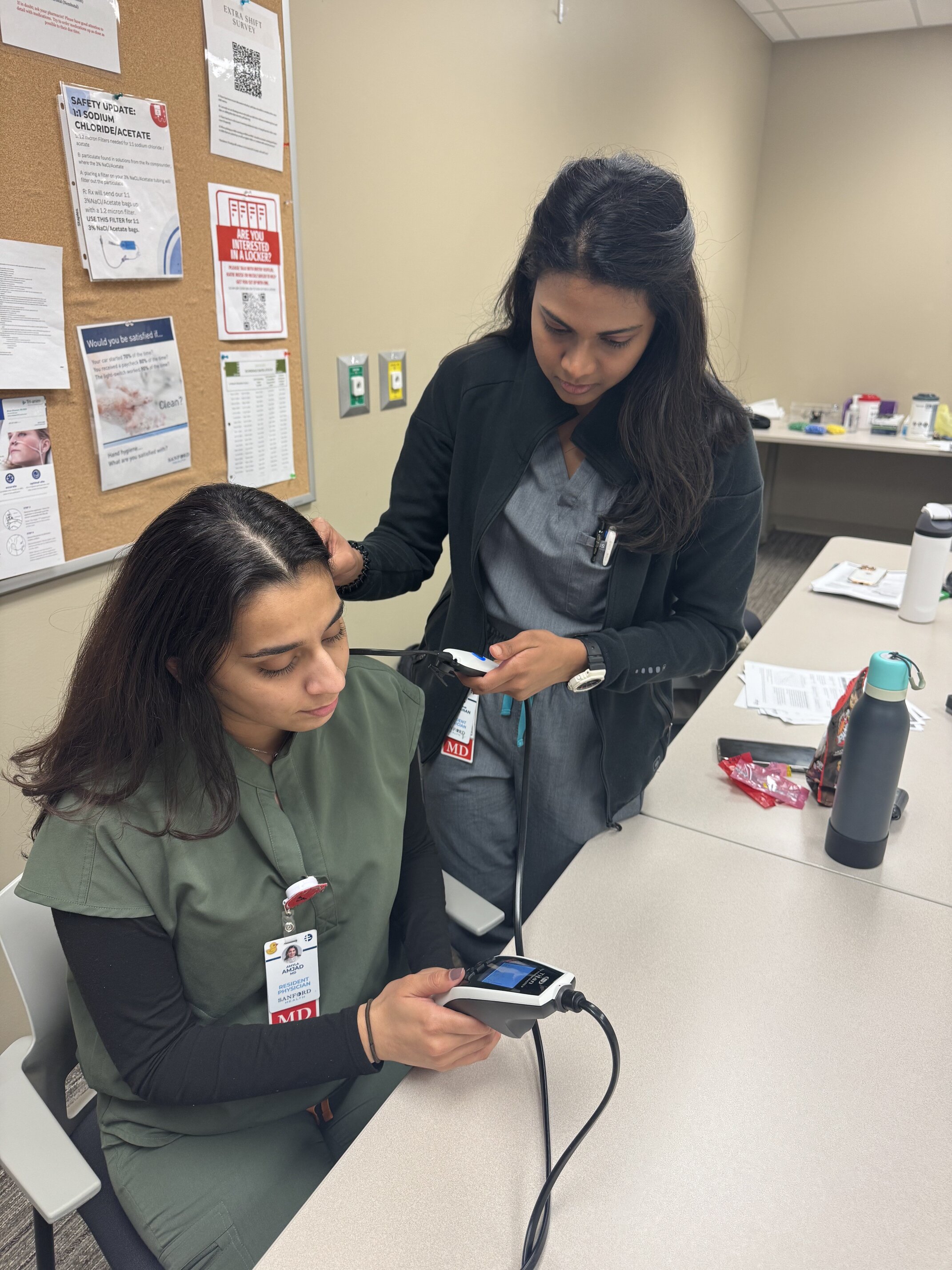
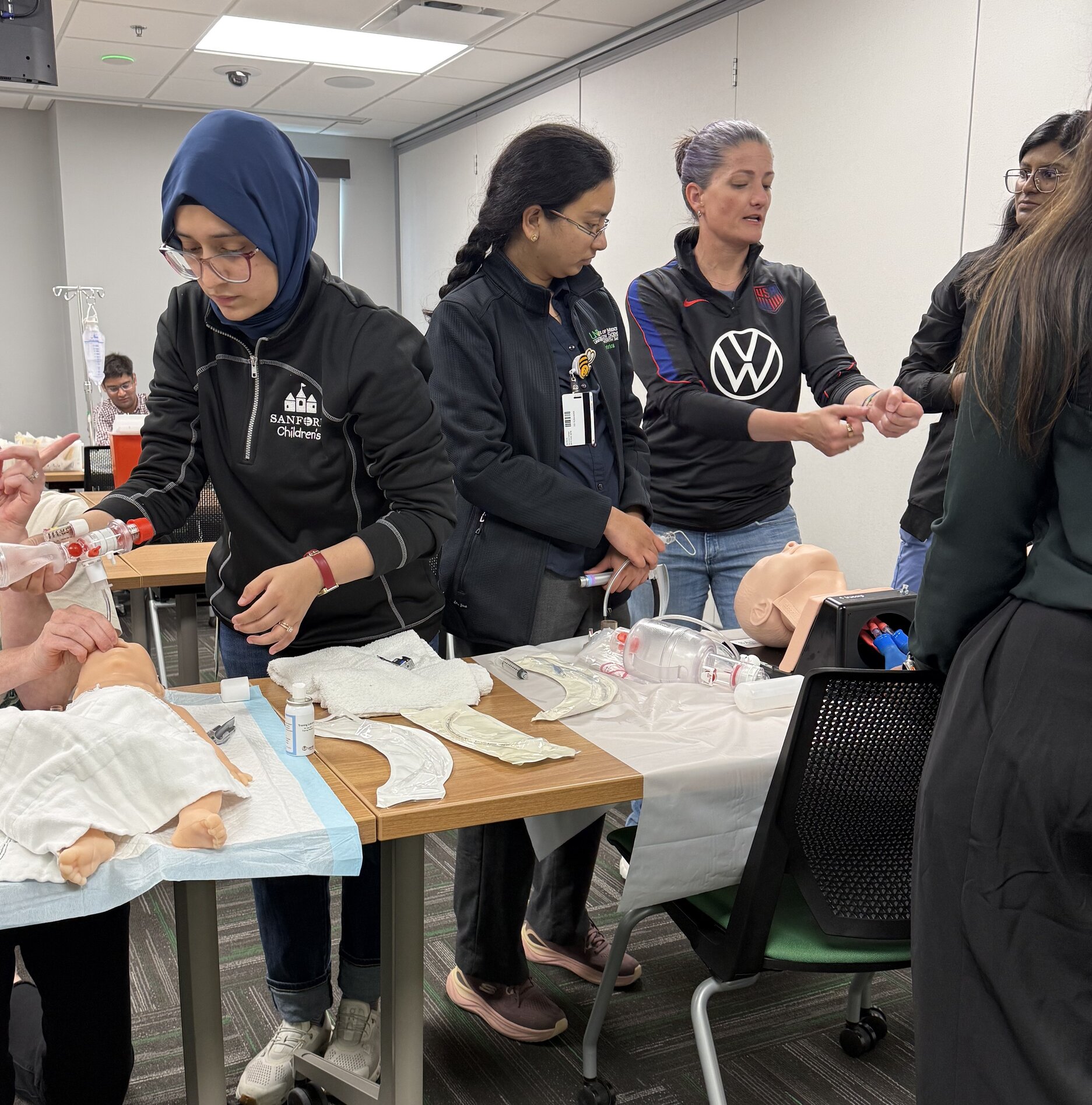
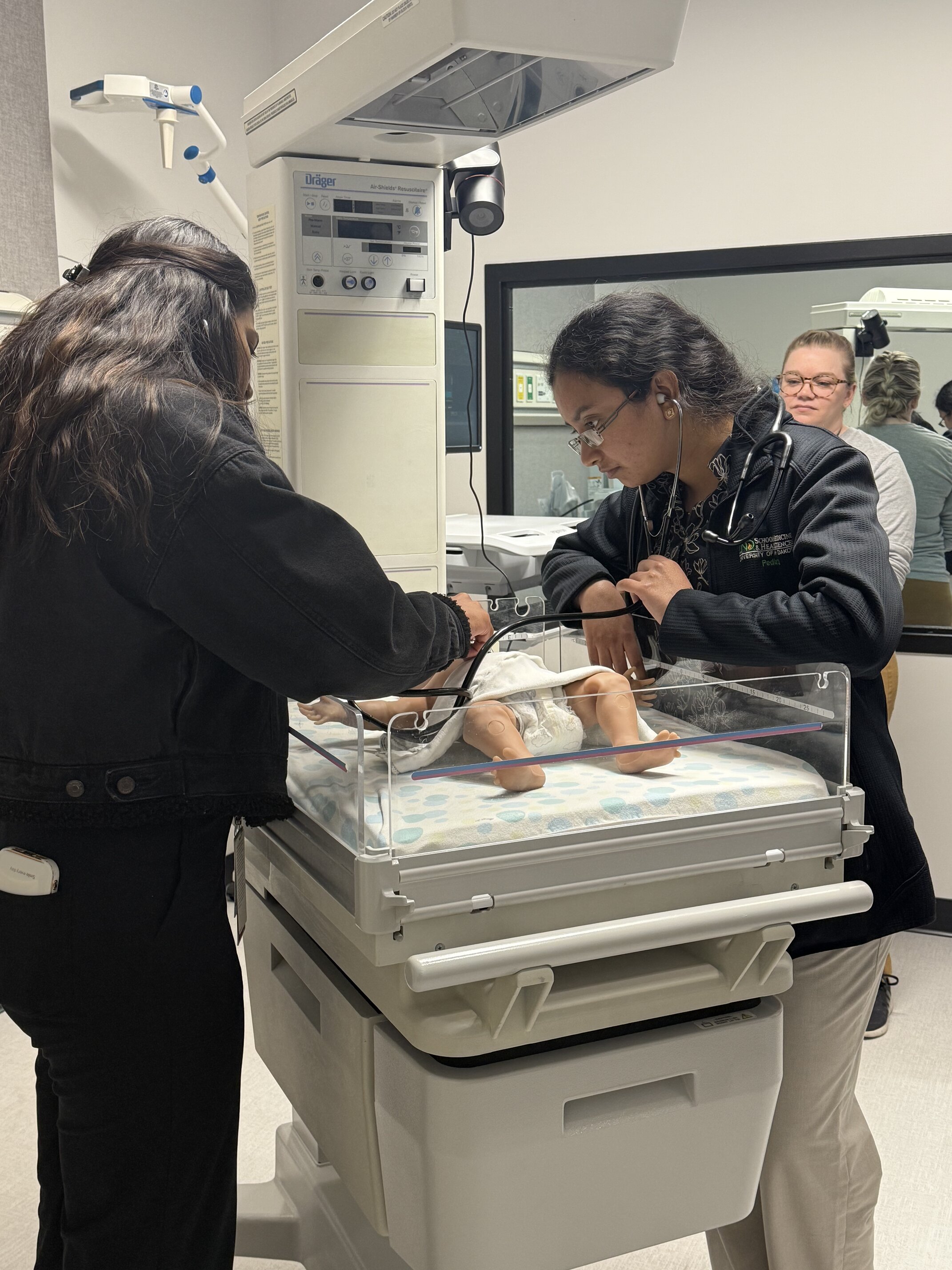
- Simulation: UND is home to a state-of-the-art simulation center where residents train in a high-fidelity simulation environment designed to build confidence, technical skills, and teamwork – all before encountering real-life emergencies. Through simulation, residents practice essential pediatric procedures, refine bedside clinical skills, and participate in mock codes that mirror real pediatric and neonatal emergencies. These sessions emphasize communication, leadership, and critical decision-making, with faculty-guided debriefing to promote reflection and continuous improvement – ensuring residents are prepared when it matters most.
Morning Report
Morning Report is held every Friday morning and is resident-led with residents taking turns presenting a case each week. This conference helps residents develop their communication skills while challenging their colleagues to formulate a differential diagnosis and management plan to arrive at the diagnosis.
Conferences
Residents are given protected time to attend the annual Sanford Children’s Symposium in the fall and the North Dakota chapter of the American Academy of Pediatrics meeting in the spring.
Residents are encouraged to attend national conferences, and they receive professional days for time away and a stipend to cover travel costs. Residents engaging in scholarly activity are also encouraged to submit abstracts to conferences gaining valuable experience in presenting their work.
Scholarly Activity
Scholarly activity is an integral part of our residency program. Residents engage in meaningful quality improvement projects aimed at enhancing patient safety and clinical outcomes. Each resident will complete a quality improvement project as a graduation requirement.
Residents also have the opportunity to write case reports as they encounter unique and complex patient cases throughout their training. Faculty members provide mentorship for writing and submitting cases.
With faculty guidance, residents also have opportunities to participate in clinical research from developing research questions to data analysis and presentation. These experiences prepare residents for careers in academic medicine, community practice, and fellowship training.
Faculty Mentorship
Our dedicated faculty are passionate educators and mentors who are deeply invested in training our residents to be well-rounded pediatricians who provide excellent clinical care and are dedicated to life-long learning and advocacy for children. Our mentorship program pairs each resident with a faculty member who can provide individualized guidance supporting a resident both professionally and personally.
Feedback
Residents receive real-time feedback from faculty during each rotation to help guide their clinical practice and challenge them to grow in their medical knowledge and clinical skills. Residents receive written evaluations from their faculty attendings at the end of the rotation. The framework for our evaluations comes from the Accreditation Council for Graduate Medical Education (ACGME) Milestones and American Board of Pediatrics (ABP) Entrustable Professional Activities (EPAs).
For each rotation, residents fill out an evaluation about the rotation structure as well as anonymous evaluations for faculty members focused on their teaching skills.
Each year, residents have an opportunity to evaluate the program as whole through our program-wide evaluation and the annual ACGME program evaluation.