Equipment
General Activity, Motor, and Sensory Tests
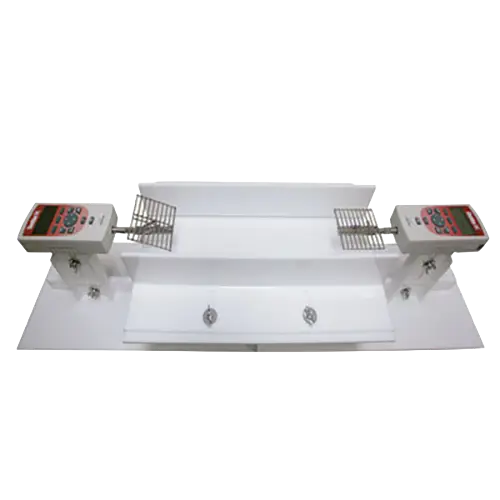
The Grip Strength test is used to assess neuromuscular function and muscle strength by measuring maximum force exerted by a rodent when it grasps the specialized grid.
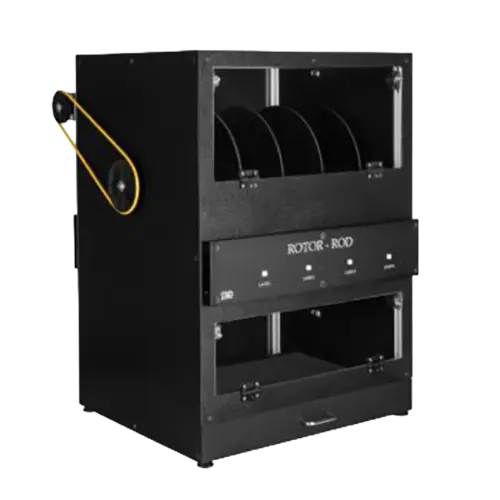
The Rotor-Rod System assesses animals' motor coordination and balance by measuring the duration a mouse stays on a rotating rod. Falls are monitored by strategically placed photobeams to avoid false falls. The unit accommodates up to 4 mice simultaneously per run.
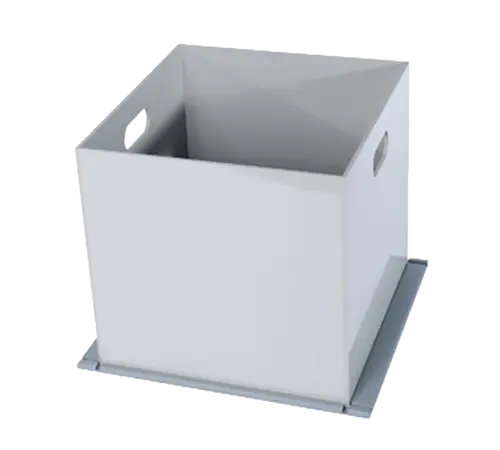
The Open Field Test is a behavioral paradigm used to assess locomotor activity, anxiety-like behavior, and exploratory drive. Test protocols, recording, sessions, and experimental results are easily managed with ANY-maze software.
Conditioned Learning and Memory Tests
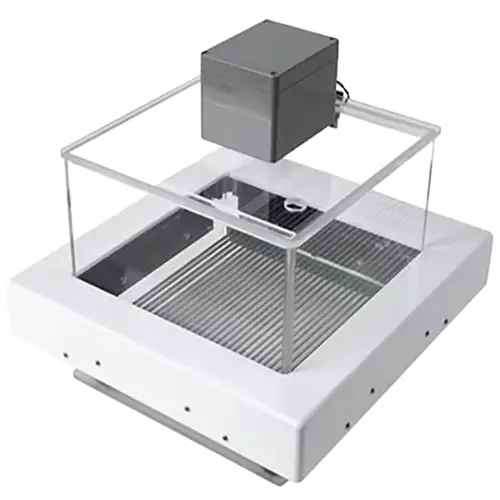
The Freeze Monitoring System assesses conditioned fear learning by monitoring animals’ freezing behavior when exposed to a conditioned stimuli (tone) paired with a unconditioned stimuli (foot shock). The system allows multiple tests to start independently. The tightly spaced 16×16 photobeam array design provides highly accurate data.
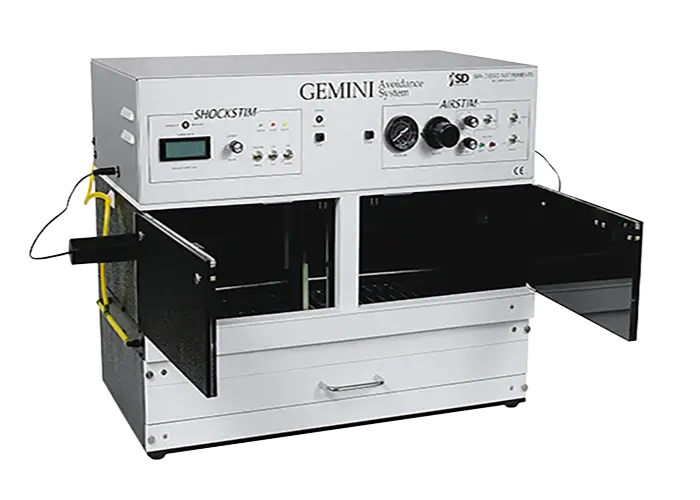
The Gemini Active and Passive Avoidance System assesses animals' learning and memory. A wide range of avoidance tests can be performed with its flexible hardware and software features. Experimental protocols, session recordings, and results are managed by a dedicated software.
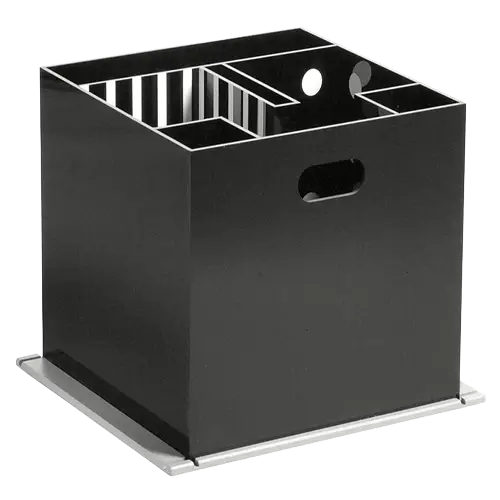
The Conditioned Place Preference Test is a behavioral paradigm used to assess the motivational effects of stimuli, particularly in the context of drug reward and addiction. Test protocols, recording, sessions, and experiment results are easily managed with ANY-maze software.
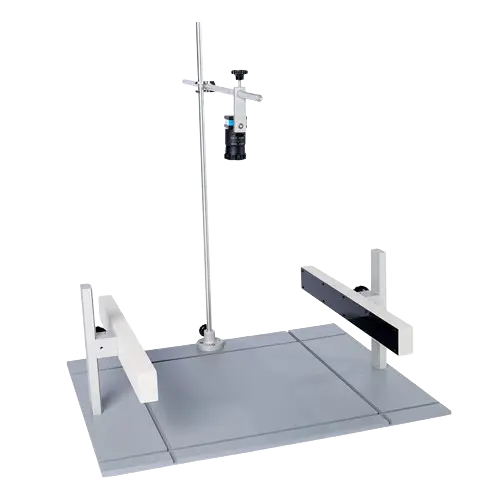
The place preference box is used in conjunction with the Any-Box system. The Any-Box System is a multi-configuration behavior system designed to be used with Any-maze to automate tests.
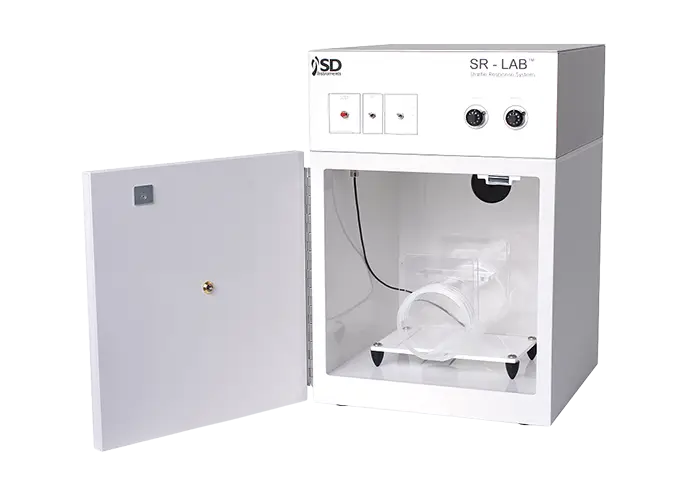
The Startle Response System is designed to measure startle habituation, pre-pulse inhibition, and fear-potentiated startle. SR-LAB software controls any combination of tones, noise bursts, lights, air puffs, background noise, and foot shock options.
Spatial Learning and Memory Tests
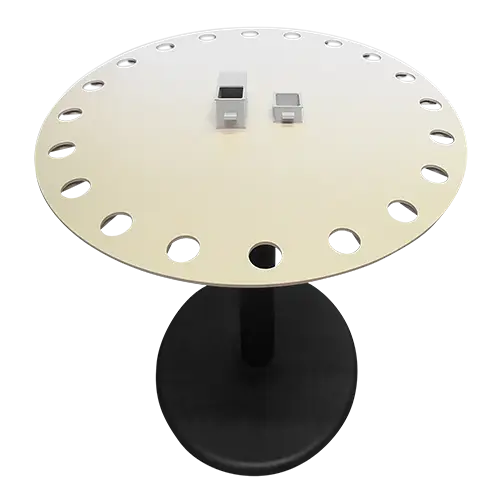
The Barnes Maze assesses animals’ spatial learning memory on a dry surface. Animals are motivated to hide from the bright, open platform by finding the small, dark “escape box” of the maze. Animals learn the escape box’s location without the stress of swimming or food deprivation and false escape boxes remove the possibility of inadvertent cues. Test protocols, recording, sessions, and experiment results are easily managed with ANY-maze software.
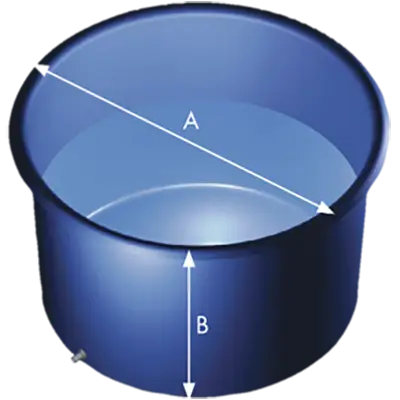
The Morris Water Maze test assesses spatial learning memory by measuring a rodents ability to locate a platform submerged under water and hidden from them. Two sizes of the water tanks are available to accommodate mice and rats. Test protocols, recording, sessions, and experiment results are easily managed with ANY-maze software.
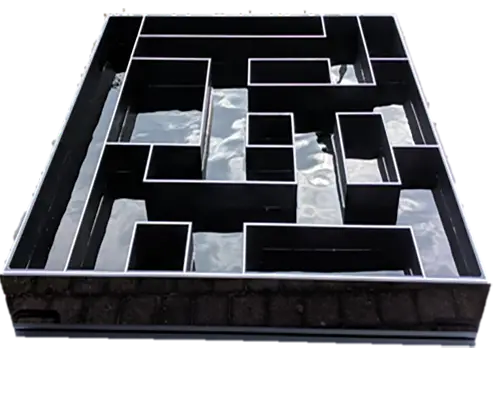
The Cincinnati Water Maze is a behavioral paradigm used to assess the cognitive and emotional processes of rodents. This maze consists of nine interconnected T-intersections where the mouse must navigate through openings in the walls to reach the goal. Test protocols, recording, sessions, and experiment results are easily managed with ANY-maze software.

The Radial Arm Maze assesses spatial learning and memory by providing animals with 8 identical arms to choose from. Test protocols, recording sessions, and experiment results are easily managed with ANY-maze software.
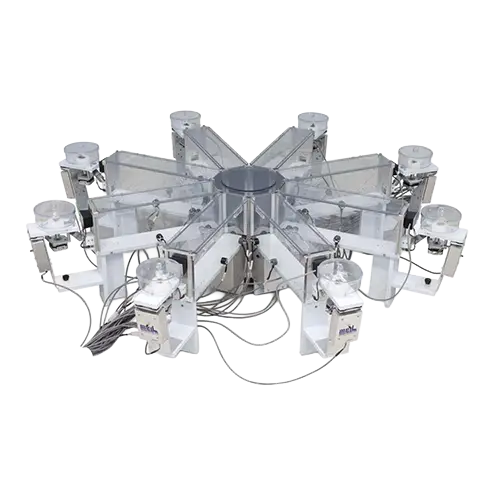
The Automated Radial 8-Arm Maze is a high-precision apparatus designed to assess spatial working and reference memory. This automated version reduces stress and improves data quality. The system includes automatic doors, IR beams for activity detection, automatic pellet dispensers all controlled by software.
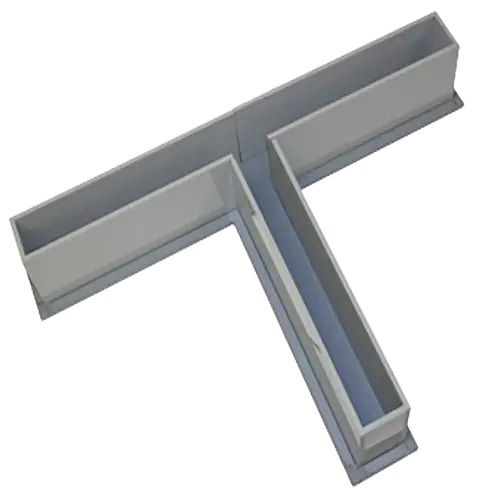
The T-maze assesses spatial learning or preference of animals. The T-structure of the maze allows animals to select between two arms based on memory or reward. Test protocols, recording, sessions, and experiment results are easily managed with ANY-maze software.
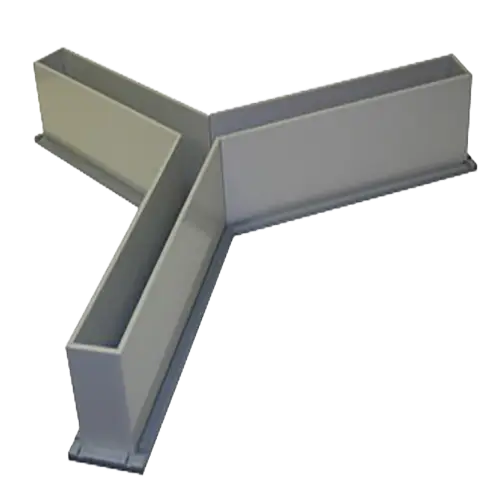
The Y-Maze assesses spatial learning or preference of animals. The Y-structure of
the maze allows animals to select between two arms based on memory or reward. Test
protocols, recording, sessions, and experiment results are easily managed with ANY-maze
software.
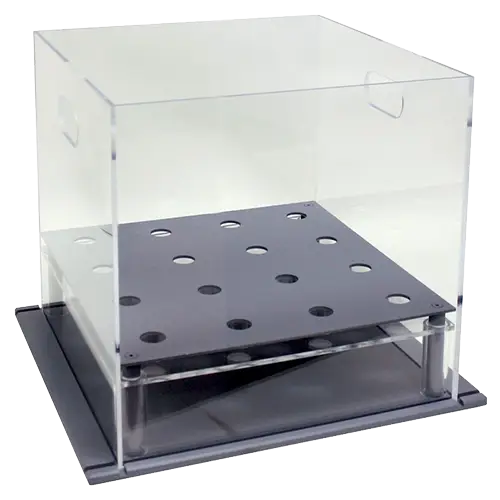
The Poke Hole Test is a behavioral paradigm used to assess anxiety, spatial memory, motivation and social behavior by measuring how often and how quickly mice poke their noses into the apparatus holes. Test protocols, recording, sessions, and experiment results are easily managed with ANY-maze software.
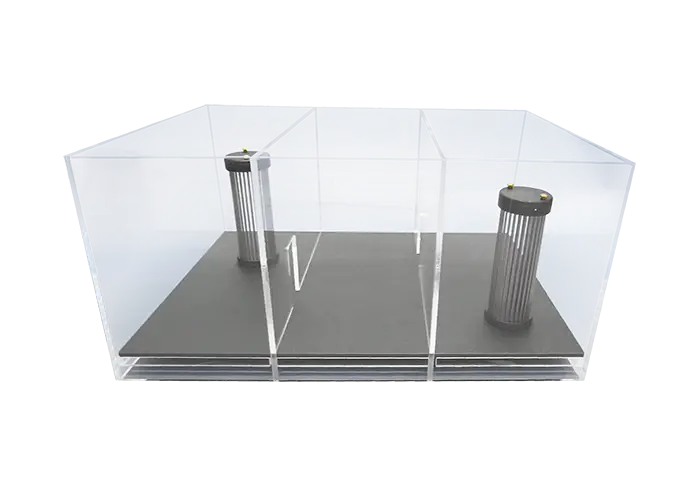
The Sociability Test is a behavioral paradigm used to assess sociability in mice by subjecting them to a novel stimulus mouse or a non-social object. Test protocols, recording, sessions, and experiment results are easily managed with ANY-maze software.
Mouse Home Cage Monitoring Systems
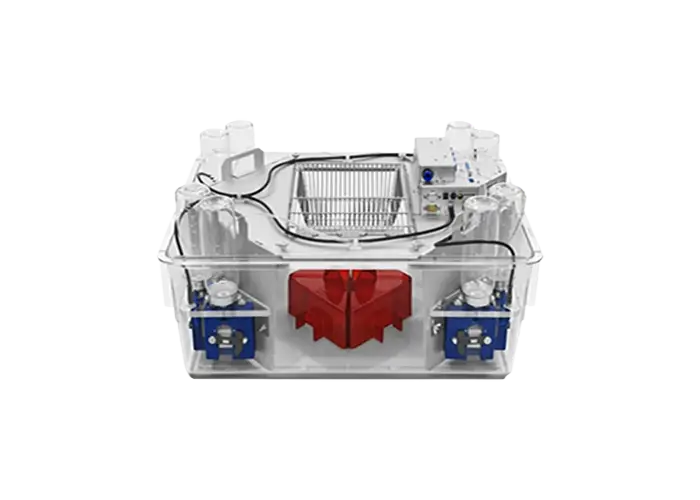
The IntelliCage is a fully-automated, home-cage behavioral system designed to study spontaneous behavior, operant conditioning, learning, memory and social interactions. Up to 16 mice can be simultaneously tested by using subcutaneously implanted RFID transponders.
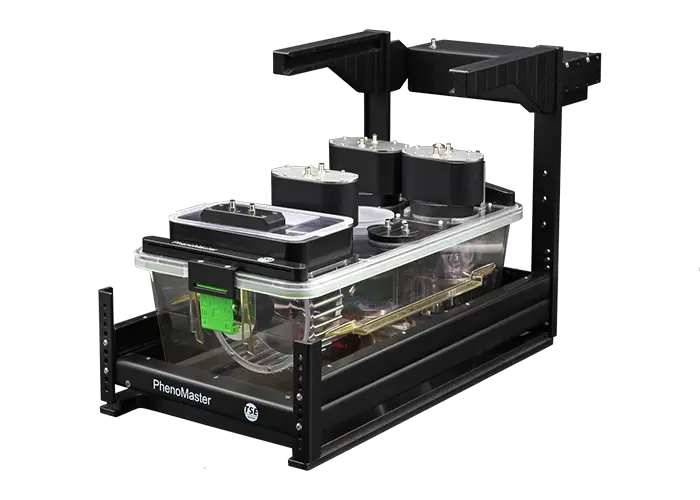
The TSE PhenoMaster is a high-throughput metabolic phenotyping system for individually housed mice. This system integrates indirect calorimetry, activity and intake monitoring, O2 and CO2 output and microbiome gas detection.
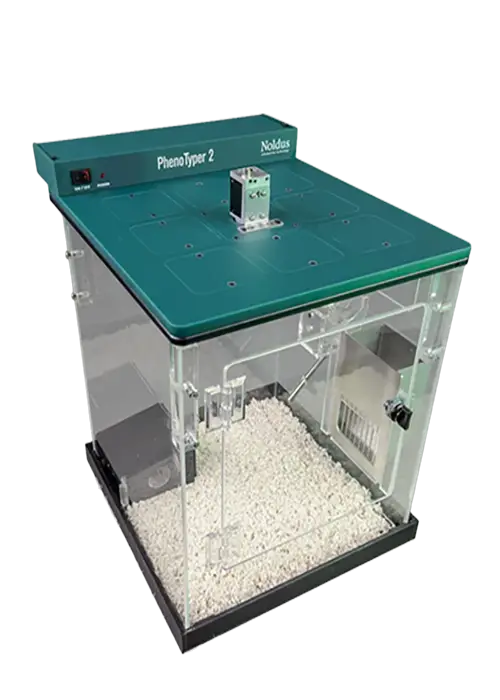
The Phenotyper system is designed for continuous, stress-free behavioral monitoring in a single, adaptable system using EthoVision XT video tracking software. The Phenotyper can be used for short-term behavioral tests, long-term home-cage monitoring and operant conditioning using pellet dispensers, lickometer and automated reinforcement.
Anxiety and Depression Tests
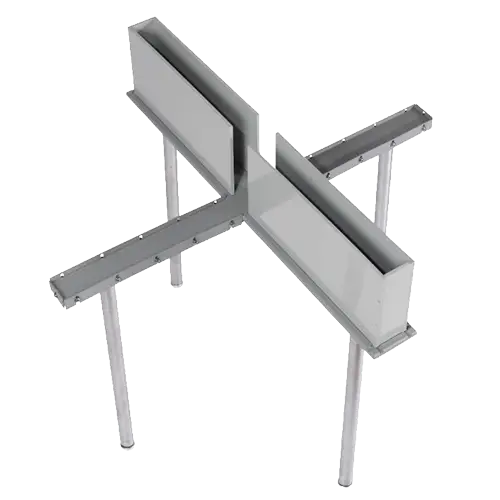
The Elevated Plus Maze assesses anxiety-like behavior of rodents by taking advantage of their fear of open and elevated spaces. Test protocols, recording, sessions, and experiment results are easily managed with ANY-maze software.
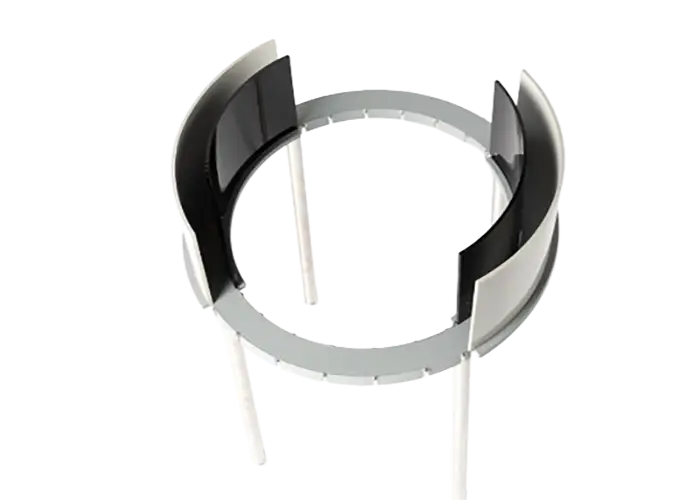
The Elevated Zero Maze assesses anxiety-like behavior of rodents by taking advantage of their fear of open and elevated spaces. Test protocols, recording, sessions, and experiment results are easily managed with ANY-maze software.
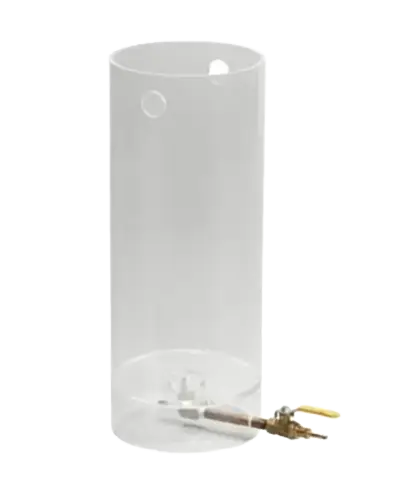
The Porsult Forced Swim Test assesses depression-like behavior. The clear cylindrical enclosure holds water more than 30 cm in depth and allows both top and side views for video capturing of mice’s activity. Test protocols, recording, sessions, and experiment results are easily managed with ANY-maze software.
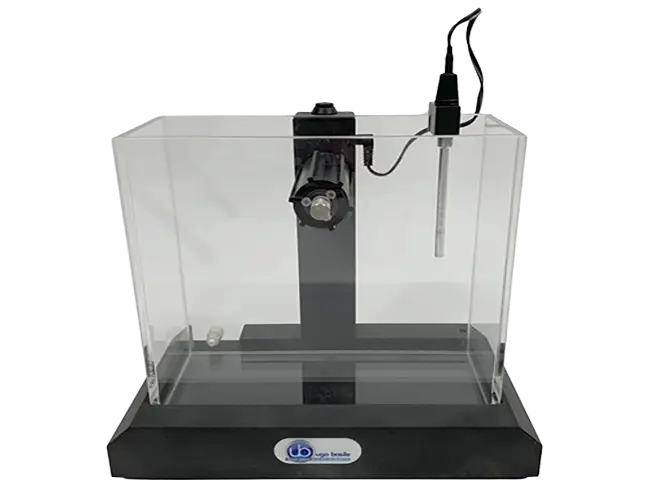
The Automated Forced Swim System is a modified version of the Porsult forced swim that uses a small water wheel to count escape attempts. The number of rotations is a measure of active escape attempts. This system also keeps water at a consistent temperature throughout all tests. The automated system improves objectivity, throughput and data accuracy. Test protocols, recording, sessions, and experiment results are easily managed with ANY-maze software.
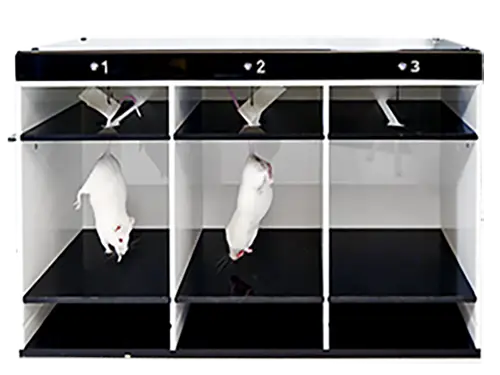
The Tail Suspension Test is a behavioral paradigm used to assess behavioral despair or depression-like behavior. This automated version uses sensors to detect immobility, energy and power. It also allows for video acquisition of testing.
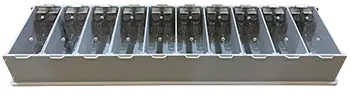
The Sucrose Preference Testing is a behavioral paradigm used to measure anhedonia (ability to experience pleasure) and reward sensitivity by assessing preference for a sucrose solution compared to plain water.
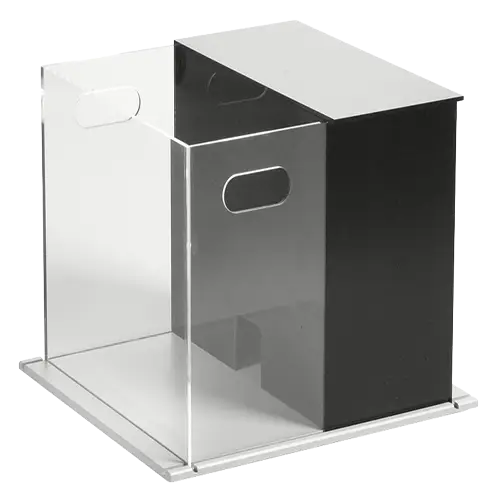
The Light/Dark Test is a behavioral paradigm to assess anxiety-like behavior by exploiting a rodents natural aversion to brightly lit, open spaces and preference for sheltered, dark areas. Test protocols, recording, sessions, and experimental results are easily managed with ANY-maze software.
The light/dark box is used in conjunction with the Any-Box system. The Any-Box System is a multi-configuration behavior system designed to be used with Any-maze to automate tests.